Everything changes. From tone-deaf jokes in once-adored TV shows like ‘Seinfeld’ or ‘Married… with Children’ to now heavily scrutinized ‘crunch culture’ in a corporate environment, it seems that everything has an expiration date.
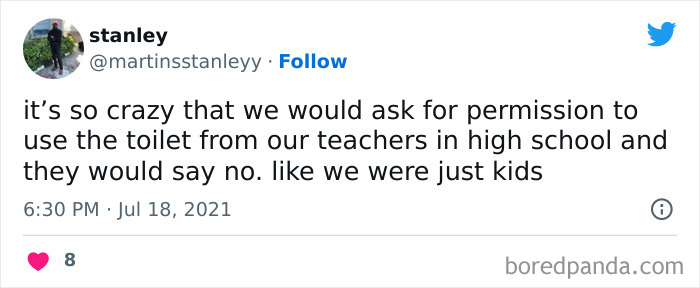
High school, then, serves as a captivating and amusing example of how the passage of time shapes our perception. Remember the days when we had to plead with teachers for permission to use the restroom? It’s either this or whatever yummy yet weird meal cafeterias had served in the past that makes us sigh whenever we think of it. Bored Panda has compiled a collection of the most memorable and outrageous aspects of school life that make us cringe, providing a delightful opportunity for those who haven’t lived it to take a closer look at the current cultural quirks of school life.
Click here & follow us for more lists, facts, and stories.
#1
© Photo: Nice_NotNiece
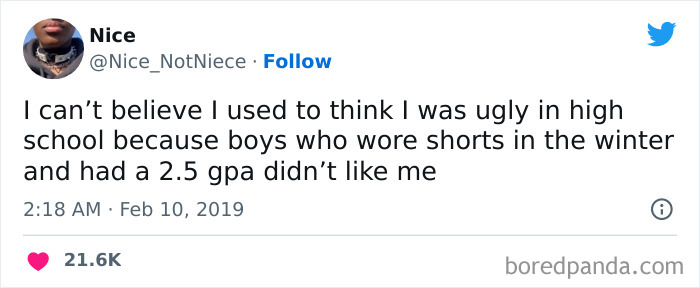
Super strict dress codes. Being sent to detention. Begging for toilet privileges. All of this might sound weird, sure. But as a VICE journalist once put it: “It’s hard to imagine things being any different, if only because we put up with it for so long. […] It feels off for schools to still implement these kinds of rules now, as perceptions on discipline, education, gender, and individuality have evolved.”
Looking back on it now, there’s one bizarre rule that was recently revived due to the times we live in: mock air raids. Of course, depending on which part of the world you live in – particularly if you’re situated in Ukraine – ducking for shelter under your desk might still be part of a student’s routine. But if you live in America, you’re likely aware of its active invader drills which force teens to participate in terrifying simulations.
#2
© Photo: spaghettiinbed
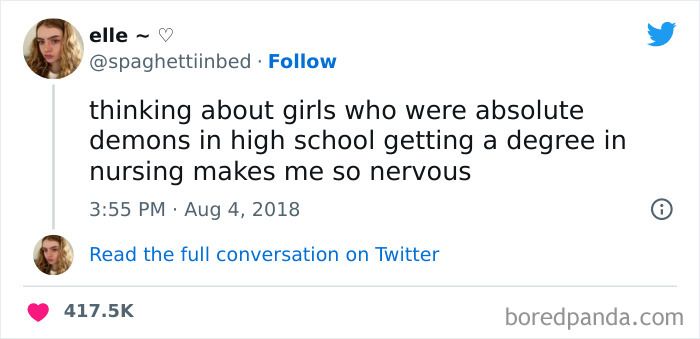
The United States is not alone in having questionable school norms, as other countries also exhibit their own peculiar practices. In Japan, for instance, students with non-black or non-straight hair are often required to provide evidence of their hair’s natural color or texture. On the other hand, in many Indian schools, there are specific restrictions imposed on the interaction between male and female students.
Another questionable norm that ceased to exist (at least to our knowledge) is barring latecomers from entering the classroom. You know, being late by 1 minute and not being allowed to join the class, everyone’s eyes saying “uh-oh.” And while it’s understandable that dealing with consistent lateness can be annoying, especially for teachers who face disruptions because of unmotivated students – what good does making a kid sit in the cafeteria playing their Gameboy bring to their overall education?
#3
© Photo: martinsstanleyy
#4
© Photo: _clovisky
While bullying was considered to be a rite-of-passage of your average school student, influencing countless jocks in coming-of-age dramas and comedies, it seems like the rate of bullying has significantly dropped. In 2013, a nationwide survey in the US found that 20% of high school students were bullied on school property in the past year. Meanwhile, another, more recent study published in the journal Pediatrics, discovered that instances of bullying, including perpetrating and witnessing it, have decreased.
#5

© Photo: invisiblehallows
#6
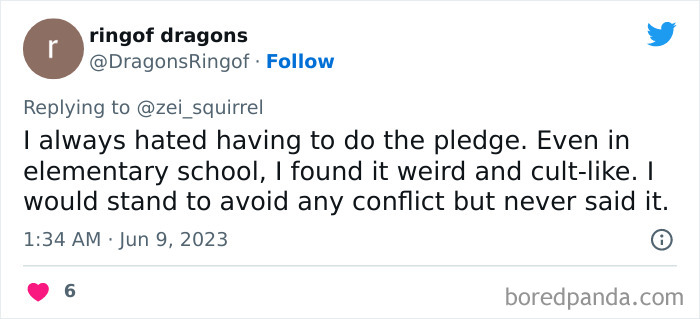
© Photo: DragonsRingof
Speaking of the bygone school practices that seem outrageous by today’s norms, we should mention the dunce cap seen in cartoons (like The Simpsons) and vintage films. A student who struggled with their studies would be made to wear this cone-shaped hat, marking them as the “class idiot” for all to see. Today, we shudder at the thought of publicly shaming students, realizing that such practices only perpetuate low self-esteem and discourage learning. Thankfully, the dunce cap now resides in the realm of history, where it belongs.
#7
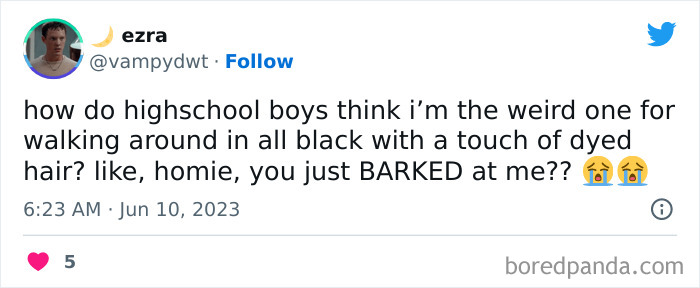
© Photo: User
#8
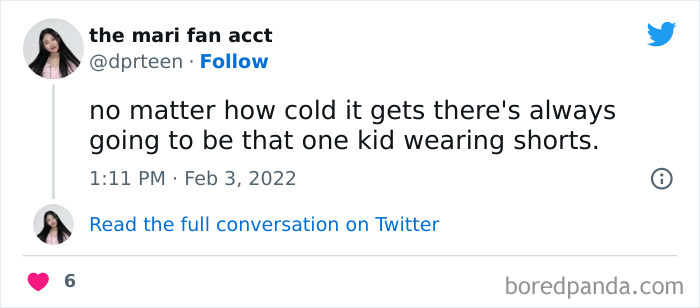
© Photo: User
Speaking about the inevitable evolution of societal norms – whether in school or the open world – Catherine Sanderson, the Manwell Family Professor in Life Sciences at Amherst College and the author of ‘Why We Act’, thinks some of the most bewildering things that were appropriate at the time didn’t raise any eyebrows precisely because it was something that people were used to. “The example that I often give is: when I was in 7th and 8th grade, right before high school, I had a wonderful teacher who smoked cigarettes throughout the entire day in the classroom,” she told Bored Panda in an email. “When I say that now to somebody, they’re like ‘What?'”
#9
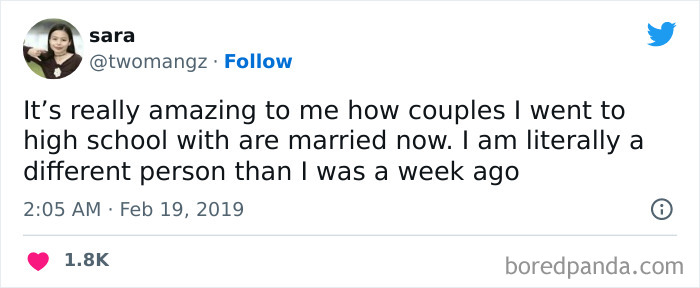
© Photo: twomangz
#10
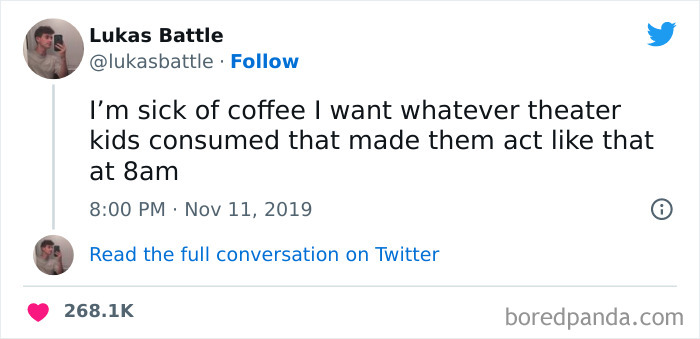
© Photo: lukasbattle
Of course, in the ’80s and ’90s, smoking in public spaces seemed as harmless to bystanders as vaping does today. People would smoke on airplanes, in cinemas, and in restaurants without much concern. However, in the late ’90s, schools began considering banning smoking due to scientific evidence of its harm. A New York Times article from 1990 stated: “Report had recommended in part that schools ban smoking because of indoor pollution and the influence the districts carry with young children and teenagers.”
#11
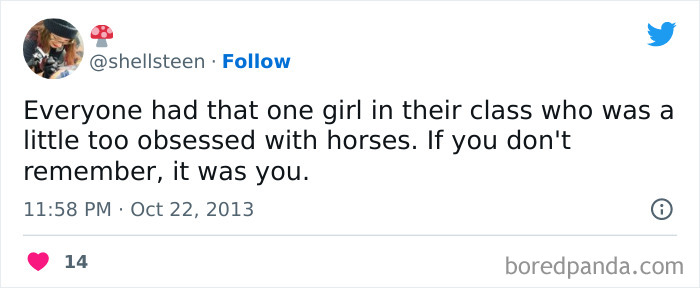
© Photo: shellsteen
#12
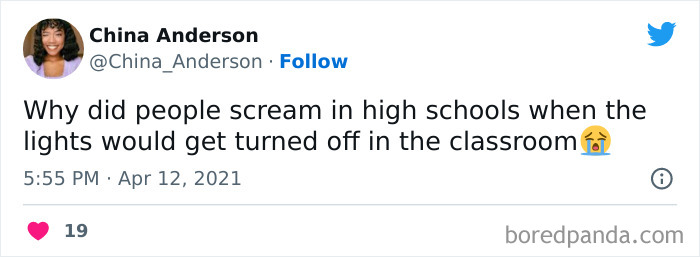
© Photo: User
Scientific evidence, Sanderson argues, is one of the most important things in fighting norms that are deeply rooted. “What we know is that calling out specific norms and saying, ‘Hey, this is not going to work,’ is really important. I will also say that’s coupled with science.” She gave an example of her mother, exactly how in the 1960s there would be ‘Duck and Cover’ drills in classrooms which urged students to comically hide under their desks – as if that would save anyone. And that’s exactly why they ceased to exist. As UnitedStates.org explains: “Civilians soon became aware of the fact that a thin wooden school desk would offer very little if any real protection against a high-yield nuclear bomb.”
#13
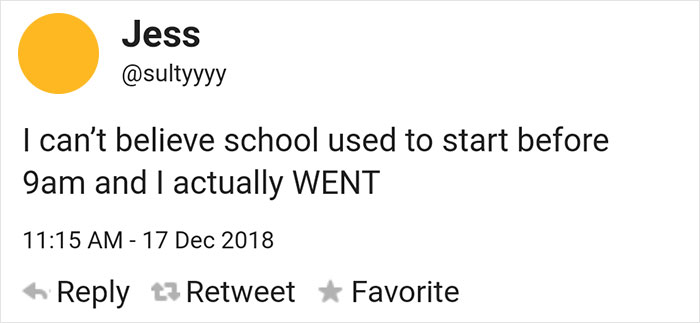
© Photo: User
#14

© Photo: bridgetttttk
“One of the challenges is that, in some cases, people privately think that one thing should be the norm, but they think other people feel differently,” Sanderson argued. Remember how you wanted to ask something during class and after you glanced at your peers, none of them were raising their hands? It’s awkward and embarrassing. Most likely then you lowered your knowledge-hungry hand, fearing the possibility of appearing like a bookworm. “So there’s a case in which the public norm is: ‘Don’t raise your hand’ – even if every single person does have a question.”
#15
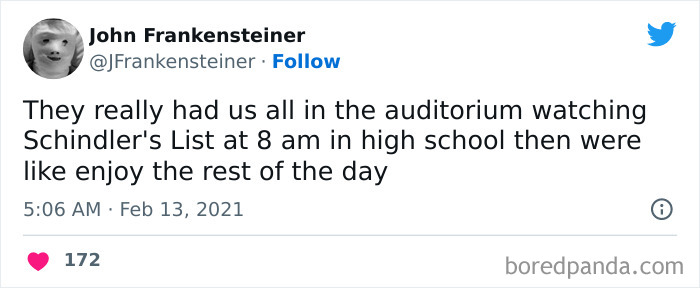
© Photo: User
#16

© Photo: Slimo_HD
#17
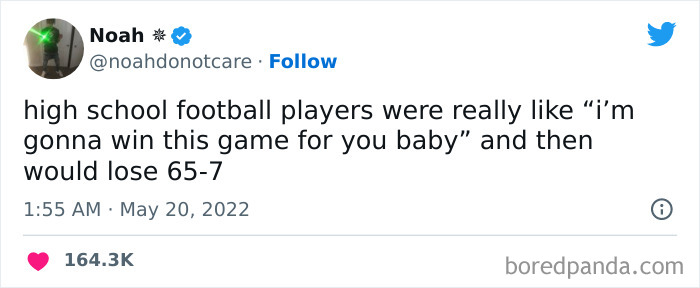
© Photo: noahdonotcare
#18
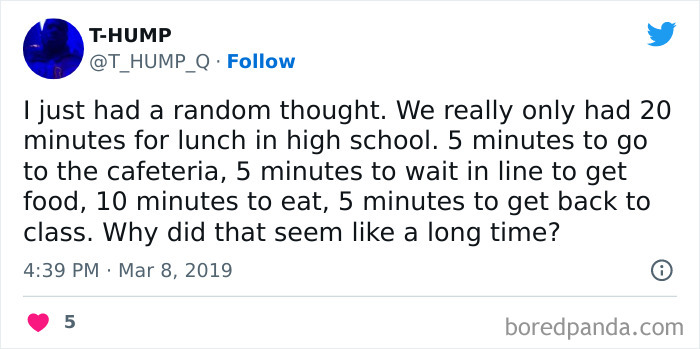
© Photo: User
#19
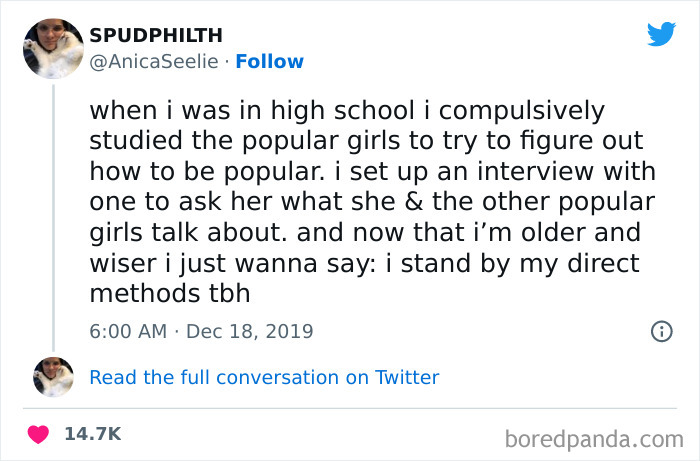
© Photo: AnicaSeelie
#20
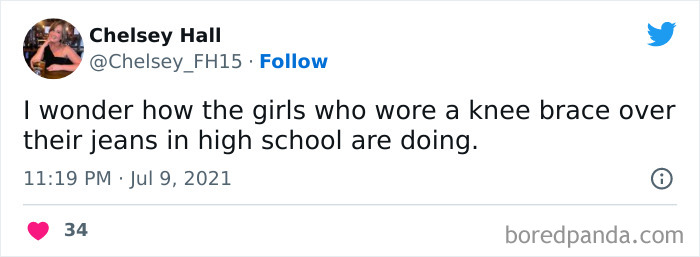
© Photo: Chelsey_FH15
#21
- You Might Also Like: 43 Stupid Signs That Hilariously Fail To Get The Point Across

© Photo: Gaherty56
from Bored Panda https://ift.tt/Mk3WOFa
via IFTTT source site : boredpanda
