No two humans are exactly alike. Everyone is weird in their own way. But that’s not necessarily bad. In fact, the appeal of many artists, performers, and average folk is that they’re delightfully odd and proudly non-conventional.
However, there’s a fine line between quirky and creepy behavior. And media personality TahoeTV decided to find it. So he made a tweet asking people to describe the exact moment they noticed that someone was out of their mind.
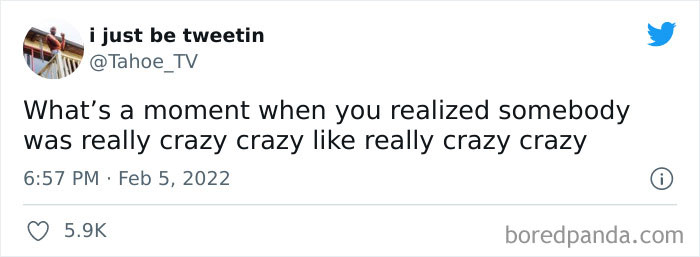
Image credits: Tahoe_TV
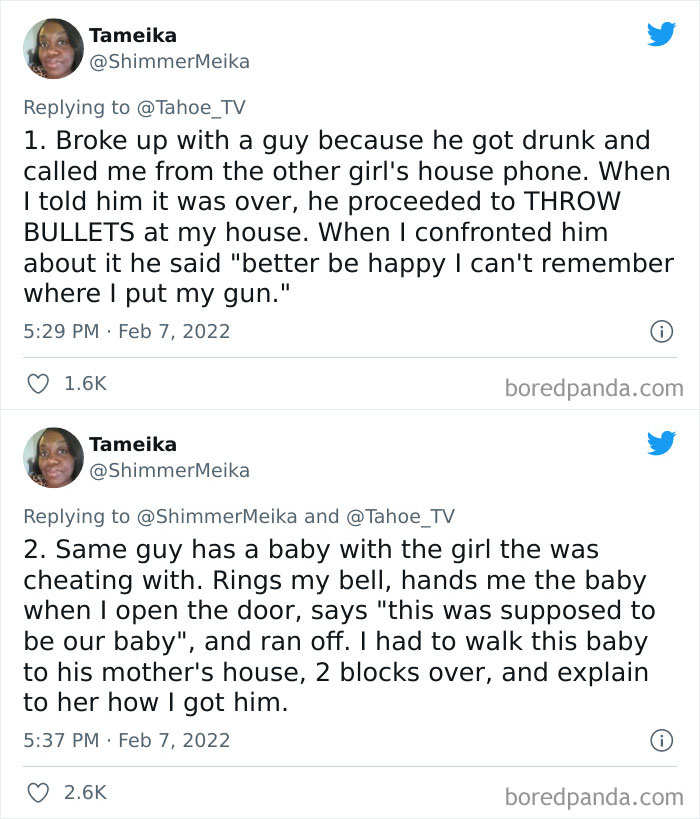
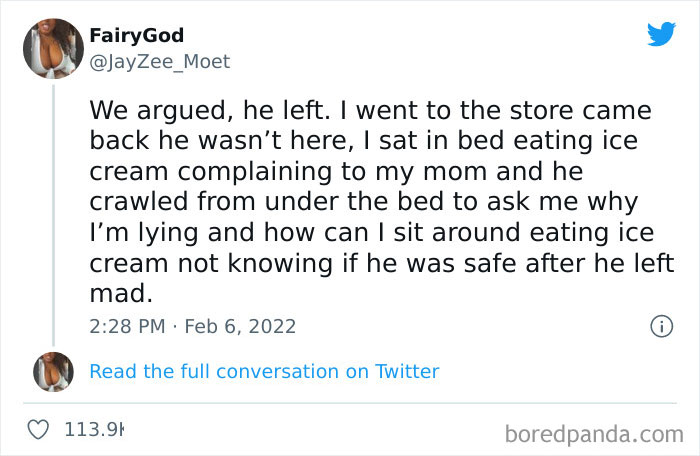
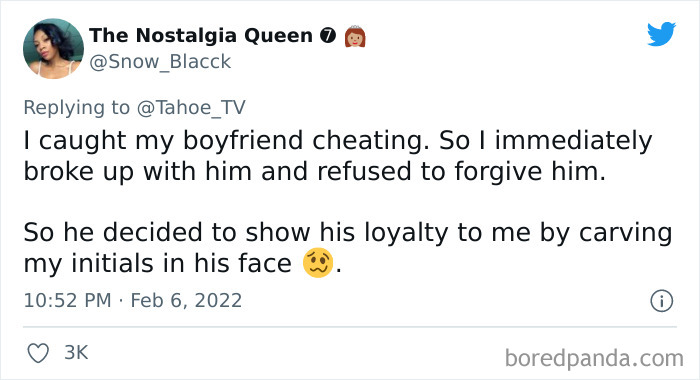
Turns out, it’s a topic many are interested in. Immediately, people started sending in their answers, sharing all the funny, strange, and downright scary experiences they went through. From cheating boyfriends to high school bullies, continue scrolling to meet their villains.
Discover more in 40 People Reveal The Exact Moment They Realized Someone Was Crazy On Another Level
Click here & follow us for more lists, facts, and stories.
#1
© Photo: ShimmerMeika
#2
© Photo: JayZee_Moet
But you might want to watch out for the word ‘crazy’. For many of us, it has become such an integral part of our vocabulary, we even stop noticing it.
But there are good reasons why you might want to stop using that word. Brenda Curtis, PhD, MsPH, an assistant professor of Psychology in Psychiatry at Penn Medicine, who has done research on language thinks it might even have sexist undertones as there are gender-based stereotypes about women being irrational, hysterical, and disconnected from reality—all meanings that are associated with the word ‘crazy’.
#3
© Photo: User
#4
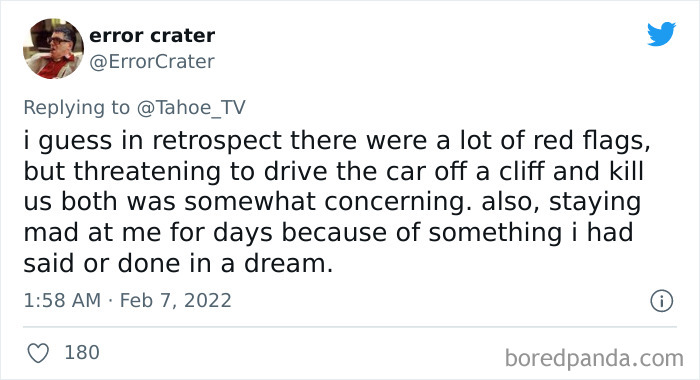
© Photo: ErrorCrater
#5
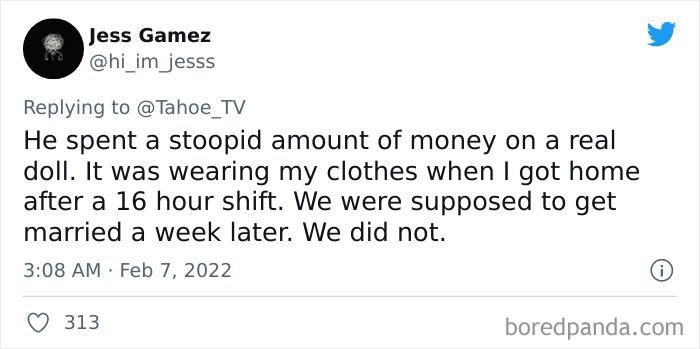
© Photo: hi_im_jesss
“One of the common stereotypes around mental health and substance use disorders is the idea of a moral failing,” Curtis said.
“A lot of people will think, ‘oh they’re just sad, get over it,’ or ‘oh, if you don’t want to use drugs, just stop, no one forced you to.'” She also highlighted that the thoughts about mental illness perpetuated by words like ‘crazy’ include the idea that people with mental illness are divorced and incapable of making decisions. These stereotypes and the sense of blame they place on a person with mental illness tend to cast people in a category of ‘others’ that few people want to claim as their identity.
#6
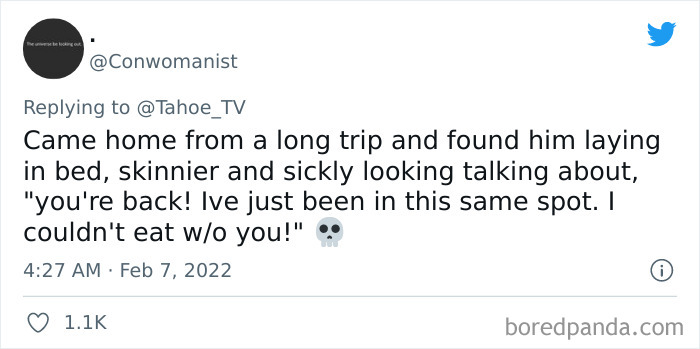
© Photo: User
#7
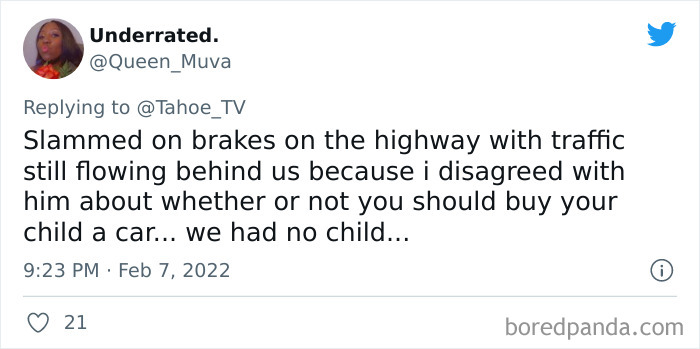
© Photo: Queen_Muva
#8
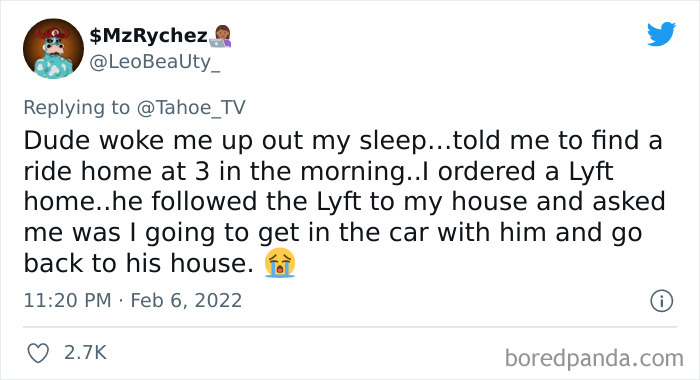
© Photo: LeoBeaUty_
#9
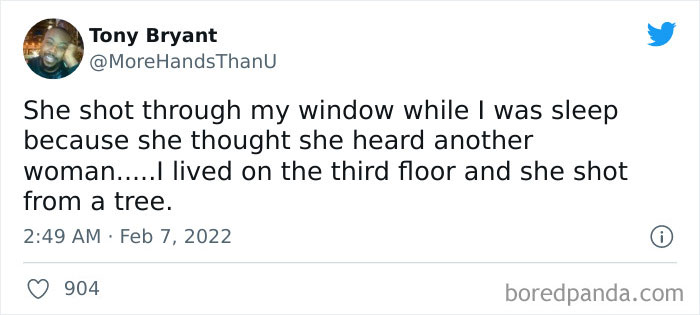
© Photo: MoreHandsThanU
“When you have a person who is having a hard time and needs to talk to someone and needs treatment, they’re less likely to go to their physician or another person for help if they don’t want that person to see them in a different light,” Curtis explained.
In this way, attaching stigma to mental health conditions—by holding stereotypes, and creating social distance as a result of those stereotypes—can make it more difficult for people to seek help. “When stereotypes affect treatment, either initiation of treatment or treatment engagement, when it’s isolating people, that’s a problem.”
#10
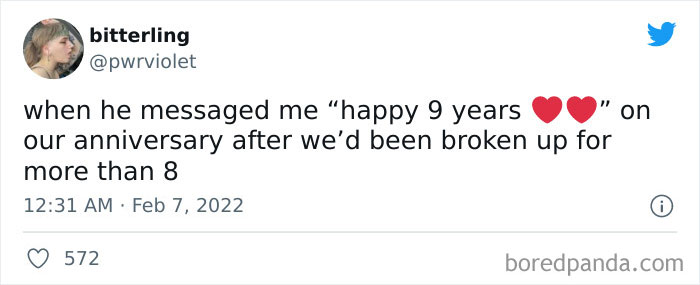
© Photo: pwrviolet
#11
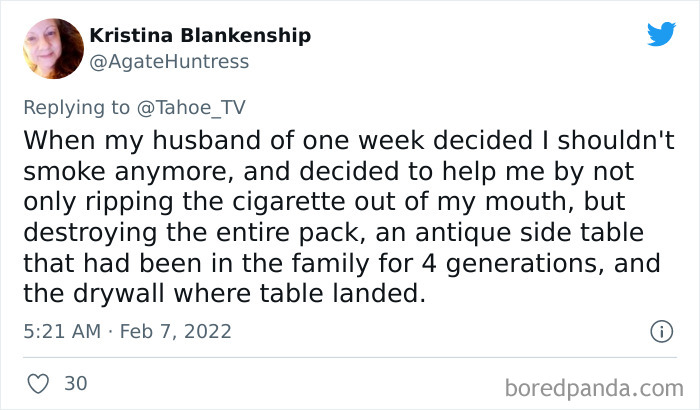
© Photo: AgateHuntress
#12
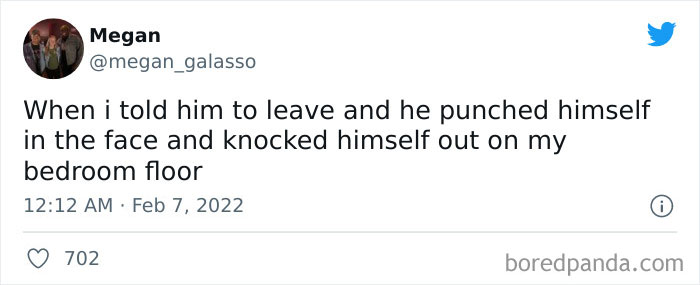
© Photo: megan_galasso
#13
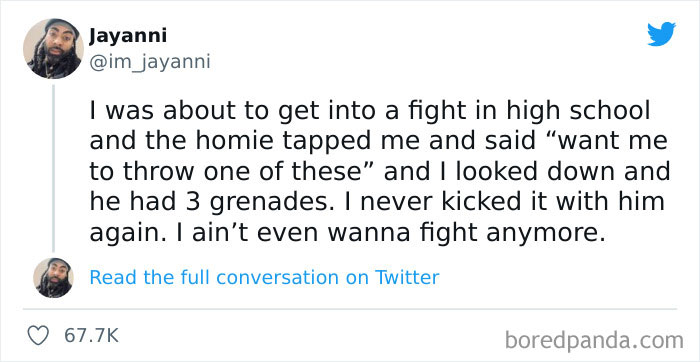
© Photo: im_jayanni
But there’s another problem with the word ‘crazy.’ It’s ambiguous. It doesn’t mean just one specific thing. Like many of us, Curtis has noticed how widely we use the word in casual conversation—in all kinds of different contexts, for all kinds of different reasons.
She thinks it reminds her of the way her parents taught her not to use curse words in casual conversation; when you use a curse word as an adjective or noun in a sentence instead of something more descriptive, it’s not just rude, it’s also a lazy way to avoid thinking of the more precise word you really mean.
#14
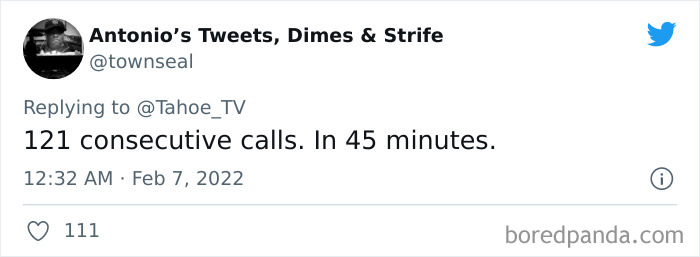
© Photo: townseal
#15
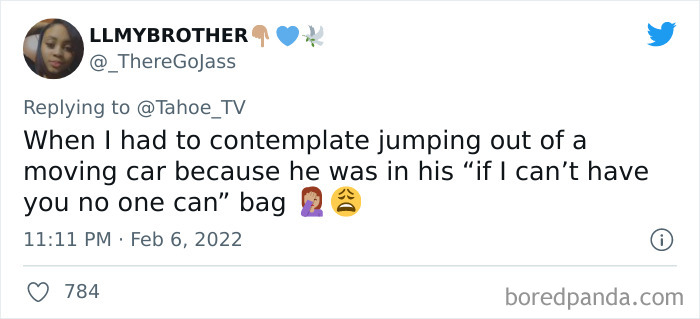
© Photo: _ThereGoJass
#16
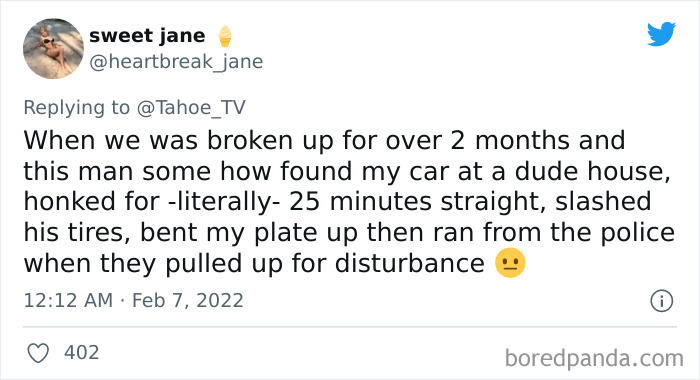
© Photo: heartbreak_jane
#17
- You Might Also Like: 42 Times People Had No Clue What They Were Looking At And This Online Community Had To Explain It To Them
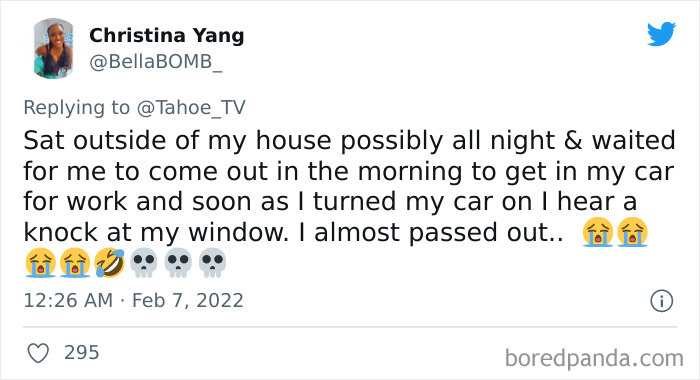
© Photo: User
Curtis noted there are three keys to using language about mental illness: use the correct words to describe something (the name of a diagnostic category if it’s a mental illness, or a descriptive general word like ‘outlandish’ otherwise, not just ‘crazy’ for everything); acknowledge when stereotypes exist—and debunk them; and use language that acknowledges a person is separate from their illness.
Can we at least limit ourselves using that word? Do you think we have to? Let us know in the comments.
from Bored Panda https://ift.tt/73M1QNn
via IFTTT source site : boredpanda
